How Often Should You Get a Facial?
When it comes to maintaining a radiant complexion, many people find themselves asking: how often should you get a facial? The answer actually aligns perfectly with your body’s natural biology. Because your skin regenerates roughly every 27 days, this built-in rhythm dictates the ideal timeline for professional treatments. While most skincare experts recommend booking a facial every four to six weeks, your ideal frequency will ultimately depend on your unique skin type, specific concerns, and daily lifestyle factors like stress or environmental exposure.
What Happens During a Professional Facial?
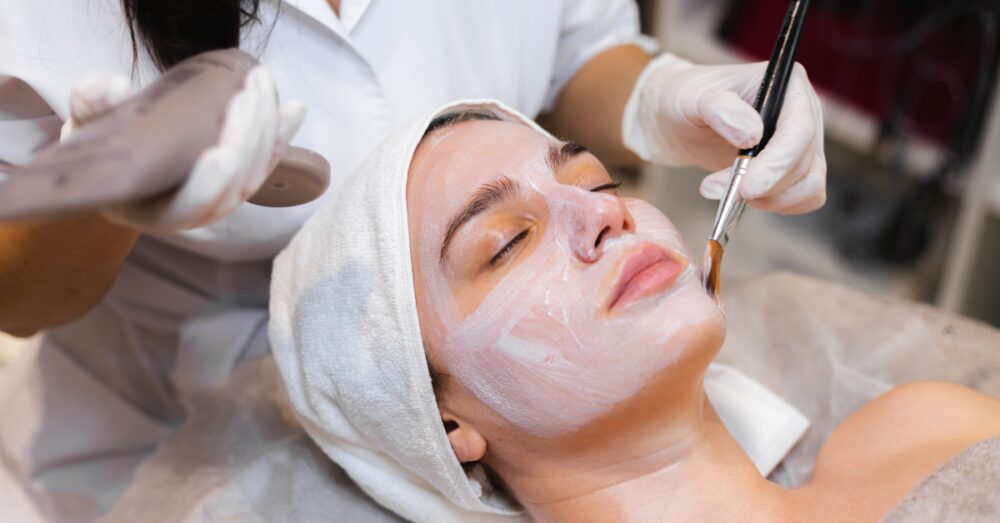
A facial is a noninvasive skin treatment that includes cleansing, moisturizing, exfoliating and other elements that are customized to your specific skin type and needs. Your licensed esthetician begins by analyzing your skin to identify concerns like clogged pores, breakouts, or dry patches.
The treatment typically starts with removing makeup and impurities, followed by deep cleansing to prepare your skin. Most facials include exfoliating to slough away dead skin cells that accumulate on the skin’s surface. Your esthetician may perform extractions to unclog pores and remove blackheads that contribute to congestion.
The session often concludes with a facial massage to increase blood circulation, followed by a mask targeted to your skin concerns. Finally, serums and moisturizers are applied to hydrate and protect your newly refreshed complexion.
How Does Your Skin’s Natural Cycle Affect Facial Timing?
Your skin’s natural regeneration process takes approximately 27 days, making this timeline essential when planning skincare treatments. Every four to six weeks is ideal because it aligns with your skin’s natural cycle. This allows proper time for new skin cells to generate and make their way to the surface before your next treatment.
Scheduling facials too frequently doesn’t give your epidermis adequate recovery time. Overdoing facials can lead to skin irritation or other negative effects, so moderation is important.
Does Your Skin Type Change How Often You Should Get a Facial?
Different skin types respond to treatments at varying rates, requiring personalized schedules. For oily or acne-prone skin, facials should be done every 2 to 3 weeks to manage oil production and prevent clogged pores. Those with acne-prone or congested skin may find that more frequent facials are beneficial for controlling breakouts.
For mature skin, facials are suggested every 3 to 4 weeks to stimulate collagen production and address fine lines and wrinkles. For dry or sensitive skin, facials should be scheduled every 6 to 8 weeks to prevent irritation while maintaining healthy hydration levels.
Can Acne-Prone Skin Benefit From More Frequent Treatments?
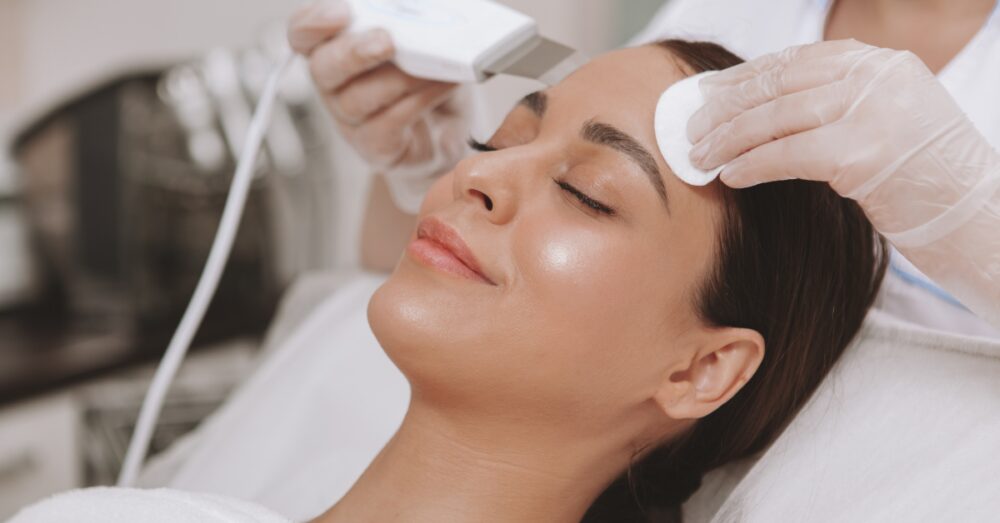
Acne facials target specific skin concerns like excess oil and congestion that lead to breakouts. Regular acne facials help fight breakouts and reduce post-blemish marks through professional extractions and targeted treatments. Your esthetician can perform extractions more safely than attempting them at home, minimizing the risk of scarring.
Those with acne-prone or congested skin may benefit from more frequent facials than those with other skin types. Between professional treatments, maintaining a skin care routine with products designed for acne helps control oil and keep pores clear.
What Are the Benefits of Regular Facials?
Facials help increase blood circulation in the skin, which promotes cell regrowth and collagen production. This boost in blood circulation brings oxygen and nutrients to your skin cells, creating a radiant, healthy glow.
Regular facials can help your at-home skin care products absorb better and perform more effectively. By removing dead skin and other impurities, treatments create a clean surface that allows serums and moisturizing products to penetrate deeper. Facials can help hydrate, plump and protect your skin for the long haul.
1. Addressing Signs of Aging
A well-hydrated complexion will appear smoother, bouncier, and more luminous, making wrinkles look less pronounced. Facials can help address fine lines and wrinkles, leaving skin looking brighter and smoother through specialized techniques and anti-aging ingredients.
Chemical peels use a chemical solution to remove layers of skin and encourage cell renewal, revealing new skin underneath. These treatments work beneath the surface to treat deeper concerns while improving overall skin texture.
2. Reduce Dark Spots and Pigmentation
Facials can help fade dark spots from sun exposure and acne, improving overall skin tone. Exfoliating treatments remove dead skin cells that make pigmentation appear more pronounced to reveal brighter new skin underneath.
Consistent treatments combined with proper at-home care create the best results for addressing uneven tone. Your licensed esthetician can recommend specific peels or serums that target pigmentation concerns effectively.
Why the HydraFacial is the Ultimate All-In-One Solution
While many traditional facials require you to choose between deep cleaning or hydration, the HydraFacial changes the game by addressing almost every skin concern in a single session. Instead of a standard manual facial, this is a medical-grade treatment that uses a specialized delivery system to achieve results you simply can’t get by hand.
The reason the HydraFacial has become the “gold standard” for functional skin health is its unique three-in-one approach:
- Deep Exfoliation: It gently resurfaces the skin to remove dead cells without the irritation of a traditional peel.
- Painless Extraction: Using “vortex” technology, it lifts impurities out of your pores like a vacuum.
- Intense Infusion: Once your pores are clear, it drenches the skin with specialized serums tailored to your needs, whether you’re looking for anti-aging, brightening, or deep moisture.
Why Is Consulting an Aesthetician Important?
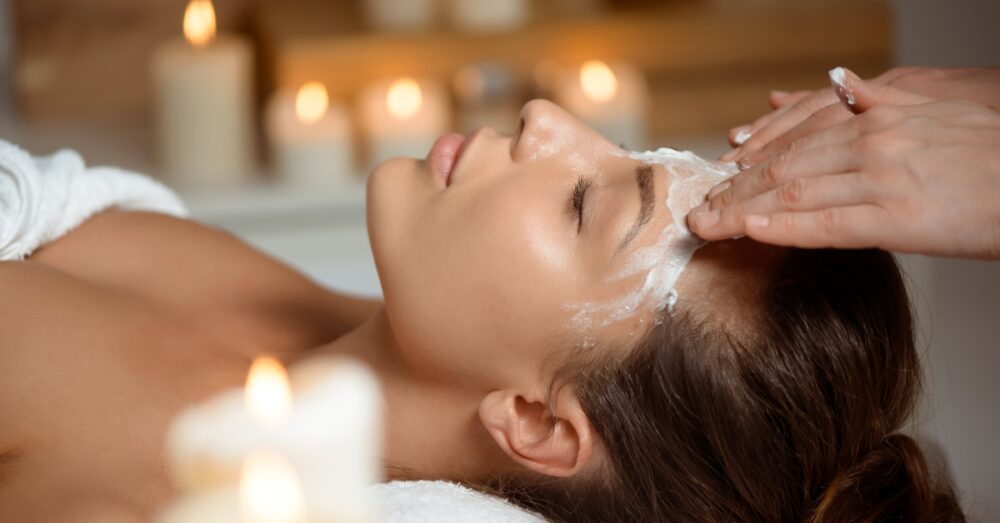
Consulting with an esthetician is key to determining the right facial frequency for your skin type and concerns. Your esthetician can assess your specific concerns and create a customized treatment plan that evolves with your skin’s changing needs.
The frequency of facials is typically recommended to be every four to six weeks, depending on individual skin concerns. As your skin develops from routine facials and home care, your goals will change, too. Your licensed esthetician tracks your progress and adjusts your treatment schedule accordingly.
Frequently Asked Questions
How often should I get a facial if I have acne?
Those with acne prone skin typically benefit from facials every 2 to 3 weeks to manage oil production and breakouts. Your esthetician can perform extractions safely and recommend skincare treatments that reduce congestion. More frequent facials help control acne by keeping pores clear and preventing future breakouts from forming.
Can you get facials too often?
Yes, frequent facials may not be the best idea for everyone as overdoing treatments can lead to skin irritation. Your skin needs time to regenerate between sessions, typically 27 days. Consulting with your esthetician is key to determining the right facial frequency to achieve benefits without causing damage or sensitivity.
How long do facial results last?
Most people notice their skin looks most radiant for about 1-2 weeks after a facial. However, the benefits of regular facials accumulate over time, with improvements to skin texture, pores, and overall health becoming more pronounced with consistency. This is why scheduling treatments every four to six weeks helps maintain optimal results.
What should I do between facials to maintain results?
Maintaining a skin care routine at home is essential to keep your skin healthy between professional treatments. Use a cleanser, moisturizer, and sunscreen daily, and incorporate serums targeted to your specific concerns. Avoid picking at your skin and remove makeup thoroughly each night to prevent clogged pores.
Do different types of facials require different scheduling?
Yes, chemical peels and more intensive treatments may require 4-6 weeks between sessions for proper healing. Gentler hydrating facials can often be done more frequently, especially for dry skin. Other treatments like light therapy or specialized acne facials may follow different schedules based on your skin’s response and treatment goals.
Discover Your Ideal Facial Routine at Eastside Aesthetics & Wellness
The question of how often you should get a facial doesn’t have a one-size-fits-all answer. Your unique skin responds to treatments differently than anyone else’s, making professional guidance essential for achieving your best results.
At Eastside Aesthetics & Wellness, we offer several targeted options designed to address your specific needs. From our Rejuvenation Facial that provides essential cleansing and hydration, to our Anti-Aging Facial that focuses on firmness, we create customized treatments for every concern. Our Exfoliation Facial emphasizes texture refinement, while the Acne Facial targets congestion and breakouts. For the most comprehensive experience, our Eastside Aesthetics & Wellness Signature Facial delivers advanced serums and techniques.
Ready to create a personalized facial schedule that works with your skin’s natural rhythm? Call Eastside Aesthetics & Wellness at 425-657-0355 to schedule your consultation and discover how regular facials can transform your complexion.