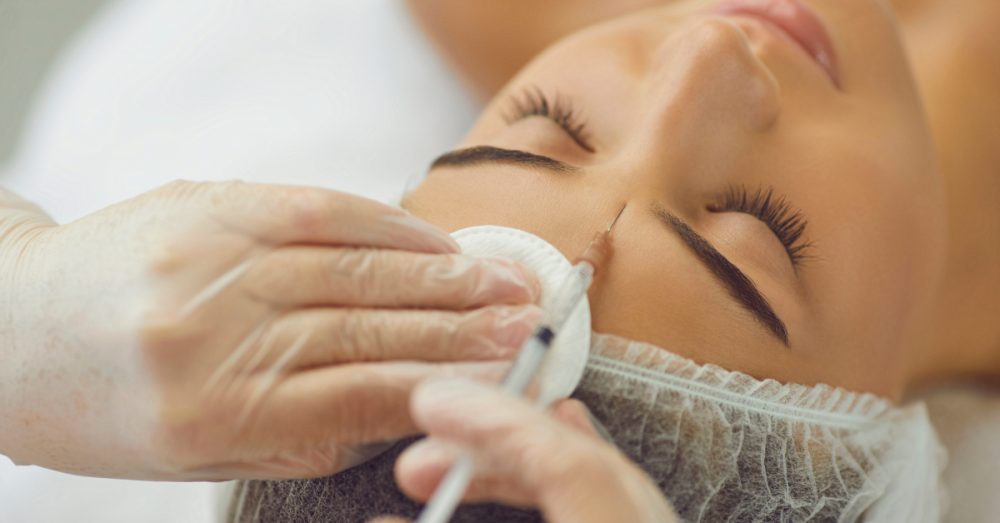
If you’re considering injectable Botox and Juvederm in Issaquah, you’ve probably narrowed your options down to two of the most popular names in cosmetic treatments. One relaxes facial muscles. The other restores volume. Neither is inherently better than the other, and the right treatment depends entirely on your goals.
This guide breaks down how Juvederm and Botox compare so you can walk into your initial consultation feeling informed and confident about what to ask for.
Key Takeaways:
- Botox and Juvederm work differently: Botox temporarily relaxes the facial muscles that cause dynamic wrinkles, while Juvederm restores volume and smooths static lines that are visible even at rest.
- The right injectable depends on your concern: Botox is best for expression-driven lines like crow’s feet and forehead wrinkles, while Juvederm is better suited for volume loss in the cheeks, lips, and lower face.
- Many clients benefit from combining both in a single visit, addressing dynamic wrinkles and volume loss together for a more balanced, natural-looking result.
What Is the Difference Between Botox and Juvederm?
The core distinction is simple. Botox is a neuromodulator made from botulinum toxin type A. It temporarily paralyzes the small facial muscles responsible for dynamic wrinkles, which are the lines that form when you squint, frown, or raise your eyebrows. Juvederm, on the other hand, is a dermal filler made from hyaluronic acid, a substance your body produces naturally. It adds structure and fullness to areas where volume loss has occurred over time.
Both Botox and Juvéderm are minimally invasive, require little to no downtime, and can typically be completed in under an hour. But because their mechanisms differ, they target very different concerns.
How Does Juvederm Work as a Hyaluronic Acid Filler?
Juvederm is a crystal clear gel that gets injected beneath the skin to restore volume and smooth out lines and wrinkles caused by aging. Its active ingredient, hyaluronic acid, attracts and binds moisture, which is why results appear almost immediately after treatment.
The most common treatment areas for Juvederm include the lips, cheeks, nasolabial folds, marionette lines, and under eye hollows. Different formulations within the Juvederm family are designed for different depths and areas of the face, giving licensed providers flexibility when building a treatment plan.
Results from Juvéderm injections typically last anywhere from six months to two years, depending on the product used and the treatment area.
What Does Botox Cosmetic Treat?
Botox cosmetic is a botulinum toxin injection that targets dynamic wrinkles, or the creases that show up when your face moves. Think crow’s feet around the eyes, forehead lines, frown lines between the brows (also called glabellar lines), and vertical lines above the lips.
Botox works through temporary relaxation of the underlying facial muscles. When those muscles can’t contract as forcefully, the skin appears smoother and the wrinkles soften. Results typically begin showing within three to five days, with full effects visible around two weeks. Most clients find that Botox results last about three to four months before repeat treatment is needed.
Beyond cosmetic treatment, Botox is also FDA-approved for concerns like excessive sweating, though that falls outside the scope of this comparison.
What Are Dynamic Wrinkles vs Static Wrinkles?
Dynamic wrinkles form from repeated muscle movement. Every time you smile, squint, or furrow your brow, those muscles crease the overlying skin. Over years, those creases become more defined. Botox injections address these by calming the muscle activity that causes them.
Static wrinkles, on the other hand, are visible even when your face is completely at rest. They result from lost volume, sun damage, and the natural aging process that breaks down collagen and elastin over time. These facial lines respond better to dermal filler treatments like Juvederm, which physically fill in the space beneath the crease. Some clients have both types, which is why combining treatments is so common.
Which Treatment Areas Does Each Injectable Cover?
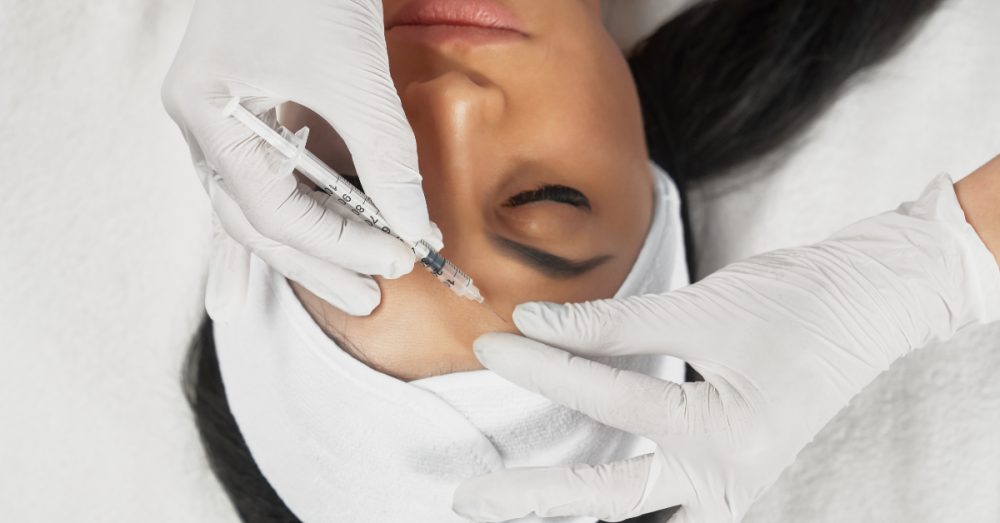
Botox tends to dominate the upper face. Treatment areas for Botox include forehead wrinkles, crow’s feet, frown lines, and other expression-driven creases. It’s most effective where muscle movement is the primary cause of the wrinkle.
Juvederm works best in the mid-to-lower face and lips. It’s ideal for restoring youthful volume in the cheeks, smoothing smile lines, softening marionette lines, plumping the lips, and addressing lip lines. For clients looking to restore volume that’s diminished with age, hyaluronic acid fillers are typically the go-to.
For a more youthful appearance across the entire face, many providers recommend combining both. One important note: certain high-risk zones around the face require extra caution with filler placement, which is why working with experienced, licensed providers matters.
What Results Can You Expect From Botox and Juvederm?
Botox results develop gradually. You’ll notice early changes within a few days, with the full effect settling in around the two-week mark. The refreshed appearance lasts roughly three to four months, at which point the muscles slowly regain movement and follow up treatments are needed to maintain wrinkle reduction.
Juvederm results are visible right away. You’ll leave the treatment site with noticeable improvement, though minor bruising or swelling at the injection site can temporarily mask the final outcome. Within a week or two, everything settles. Depending on the formulation, Juvéderm treatment results can last from six months up to two years, making maintenance visits less frequent than with Botox.
What Are the Key Differences Between Botox and Juvederm?
Here’s a side-by-side look at how Botox vs Juvéderm compares across the factors that matter most:
- How they work: Botox relaxes muscles; Juvederm fills and adds volume
- Onset: Botox takes 3–14 days; Juvederm shows immediate results
- Duration: Botox lasts 3–4 months; Juvederm lasts 6–24 months
- Best for: Botox targets dynamic wrinkles; Juvederm addresses volume loss and static wrinkles
- Reversibility: Juvederm can be dissolved with hyaluronidase; Botox wears off naturally
- Maintenance: Botox requires more frequent visits; Juvederm needs fewer sessions per year
Cost structures differ too. Botox is typically priced per unit, while Juvederm is priced per syringe. Your total investment depends on how many units or syringes are needed to achieve optimal results.
Can You Combine Botox and Juvederm in One Visit?
Absolutely, and many clients do. A combined injectable treatment strategy can address both dynamic wrinkles and volume loss in a single session, creating a more balanced and natural-looking outcome.
When combining both, many providers prefer to start with Botox and allow it to take full effect before refining with filler. Some schedule a two-week follow-up after the initial neuromodulator treatment to assess how the face has settled before placing filler. This sequencing helps ensure lasting results that look cohesive rather than overdone.
Every face is different. The best plans are customized to your anatomy, your goals, and your budget, which is something that gets sorted out during a thorough consultation.
Frequently Asked Questions About Botox and Juvederm in Issaquah
Can Botox and Juvederm be used on sensitive skin without extra risk?
Both treatments are injected beneath the skin’s surface, so sensitive skin on its own isn’t usually a contraindication. However, you should let your provider know about any skin conditions or allergies beforehand so they can plan accordingly and minimize any reaction at the injection site.
How soon after Botox can you safely get Juvederm injections?
Many providers recommend waiting about two weeks after botox treatment before adding Juvederm. This allows the Botox to take full effect so the provider can see how your facial muscles have responded and place filler more precisely.
Does Juvederm work for forehead wrinkles the same way Botox does?
Not exactly. Forehead wrinkles are typically dynamic, meaning they’re caused by muscle movement. Botox is the standard wrinkle treatment for these lines. Juvederm can sometimes address deep, etched-in forehead lines that remain at rest, but it’s not the first-line approach for that area.
Are cosmetic injections like Botox and Juvederm considered cosmetic surgeries?
No. Both are non-surgical, minimally invasive cosmetic procedures. They involve small injections with fine needles and require no incisions, general anesthesia, or significant recovery time, unlike plastic surgery, which involves operative procedures.
What happens if you stop getting Juvederm or Botox after several years of treatment?
Your face simply returns to its natural aging trajectory. Botox wears off and muscle movement resumes, so dynamic wrinkles gradually reappear. Juvederm is absorbed by the body over time, so volume diminishes. Neither treatment accelerates the aging process or leaves you looking worse than before you started.
Book Your Consultation at Eastside Aesthetics & Wellness
Choosing between Juvederm, Botox, or a combination of both starts with a conversation about what you want to achieve. At Eastside Aesthetics & Wellness in Issaquah, WA, our providers take the time to understand your goals, assess your facial anatomy, and build a plan tailored to your desired results. Call (425) 657-0355 to schedule your consultation today.